- Jakob Brezigar
- Updated: December 17, 2025
- Reading time: 6 min
Best Crypto Tokenomics in 2026
Tokenomics has moved far beyond simple pie charts. It is the economic engine of a crypto project, shaping supply pressure, user incentives and long term market stability. In this article we will break down the key components of tokenomics, look at examples of what good and bad design actually looks like and share practical tips for building a solid token model.
TL;DR
- Tokenomics is the economic design behind how a token enters the market and drives incentives.
- Strong tokenomics balance supply, demand and stakeholder behaviour over time.
- Poorly structured launches create volatility, mispricing and misaligned incentives.
- Good design uses realistic valuations, thoughtful supply pacing and transparent distribution.
- Clear incentive alignment and predictable unlocks are the foundation of a healthy token economy.
At Orcabay, we work with trusted specialists who help design sustainable and market-ready tokenomics.
Get in touch to see how we can support your launch. Book a call to learn more!
What is Tokenomics
Tokenomics is the analysis and design of a cryptocurrency’s economic system. It examines the fundamental characteristics that define how a token behaves and how value flows through the ecosystem. This includes market capitalization, supply dynamics, inflation or deflation, distribution methods, utility and the incentives that shape user and investor behaviour.
Understanding tokenomics means understanding supply, distribution, utility, vesting schedules, cliffs and how these elements shape behaviour across all stakeholders. It is a crucial part of evaluating any project because it reveals how value flows, who holds power and whether the economic structure supports sustainable growth.
Token Supply
Token supply is often the first metric people look at because it defines how scarce or abundant a token is. It refers to the number of tokens that exist at any given moment and is usually broken down into three components:
Total Supply
Total supply represents the number of tokens that have been created and still exist, excluding any that were permanently burned. It shows how many tokens are currently part of the ecosystem, whether they are circulating, locked or reserved.
Max Supply
Max supply is the absolute maximum number of tokens that can ever exist if the protocol defines one. Some cryptocurrencies, like Bitcoin, have a fixed max supply of 21 million tokens. Others, like Ethereum, do not have a capped maximum and can expand supply depending on protocol rules.
Circulating Supply
Circulating supply reflects the number of tokens available in the market and tradeable by the public. These are the tokens actually influencing price, liquidity and market capitalization. Tokens locked in vesting contracts, team allocations or long term reserves are not counted until they unlock and enter circulation.
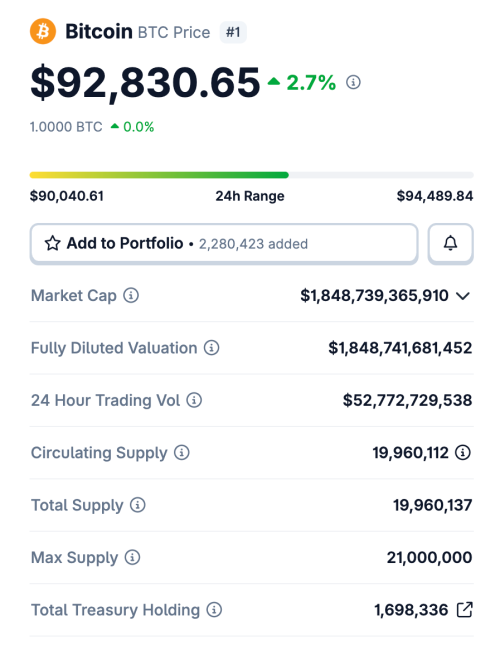
It is especially important to understand the ratio between circulating and total supply, because large amounts of locked tokens held by investors or the team can create significant sell pressure once they unlock and rapidly increase the available supply relative to demand.
Distribution
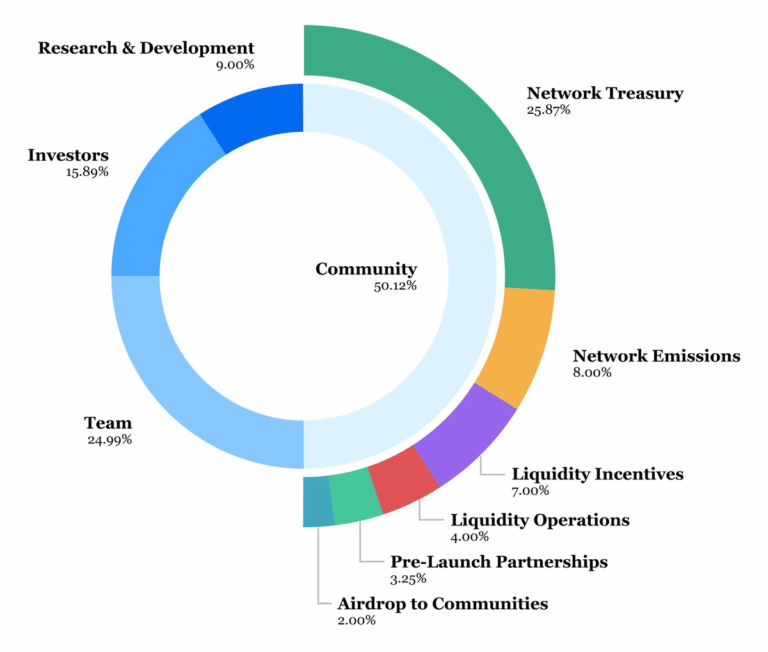
Distribution is essentially the financial plan of a token. It shows how tokens are allocated across different stakeholders and how they will be released over time. A good distribution model creates aligned incentives, predictable unlocks and a clear path for ecosystem growth.
Team
The team receives a portion of tokens as part of compensation and future incentive alignment. These tokens are usually locked for long periods to show commitment and prevent early insiders from selling before meaningful progress is made.
Ecosystem Development and Treasury
A treasury allocation supports long term development, integrations, partnerships and overall ecosystem growth. It acts as the project’s financial reserve and ensures continuity of operations.
Liquidity Provision
Some tokens are reserved to support liquidity on exchanges. Market makers use these tokens to create stable markets, improve trading depth and reduce volatility.
Mining and Staking Rewards
In proof of work or proof of stake networks, tokens are distributed as rewards to participants who secure the network by validating transactions or producing blocks.
Airdrops
Airdrops reward early users, contributors or community members. They can bootstrap adoption, decentralise ownership and bring attention to the project. A good example of airdrop was the Hyperliquid airdrop.
Grants
Some projects allocate tokens to grant programs (for example Ethereum Grants) for teams building tools, features or applications that expand the ecosystem.
Investors
Investors receive tokens in private or public rounds. These allocations almost always include vesting and unlock schedules which release tokens gradually to ensure long term alignment and prevent early sell pressure.
Vesting
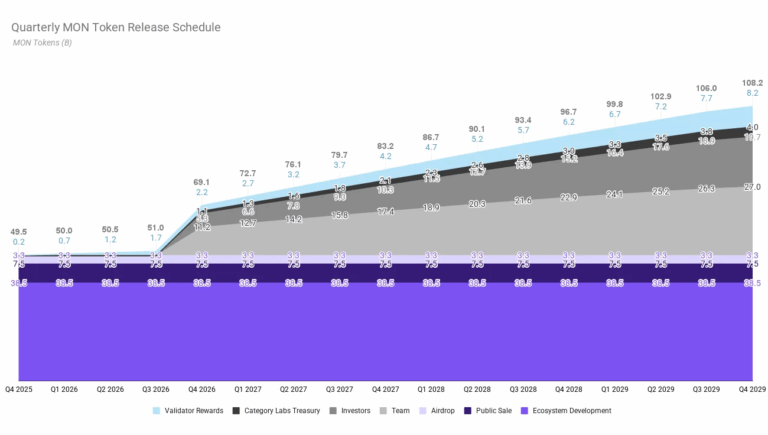
Vesting is a schedule that releases tokens gradually over a set period of time. Instead of giving someone their entire allocation upfront, vesting spreads the unlocks over months or years.
Cliff
A cliff is an initial period during which no tokens are released at all. Once the cliff ends, vesting begins and tokens unlock according to the schedule. For example, a one year cliff means the recipient receives nothing for the first year, after which tokens start releasing monthly or quarterly.
Cliffs and vesting exist to protect the project and its community by preventing large amounts of supply from hitting the market too early, reducing sell pressure and ensuring that key stakeholders remain committed over time. Without them, early insiders could immediately offload their tokens which destabilises the market and signals weak alignment. Structured unlocks create predictable supply, stronger market confidence and a clear incentive for everyone to stay engaged and build long term value.
Utility
Token utility refers to the specific functions and purposes a token serves within its ecosystem. It explains what the token is used for, why users need it and how it creates demand by enabling actions such as:
- Gas fees
Used to pay for transactions, computation or general network usage. - Staking
Locked to secure the network, validate transactions or earn staking rewards. - Governance
Used to vote on proposals, upgrades or treasury decisions within the ecosystem. - Access rights
Required to access certain features, services, markets or premium functionality. - Collateral
Used as backing in lending markets, derivatives platforms or stablecoin systems. - In game or application currency
Functions as a medium of exchange or value within a game or platform. - Fee sharing or revenue participation
Holders may receive a portion of protocol fees or revenue depending on the model.
Buyback and Burn Mechanisms
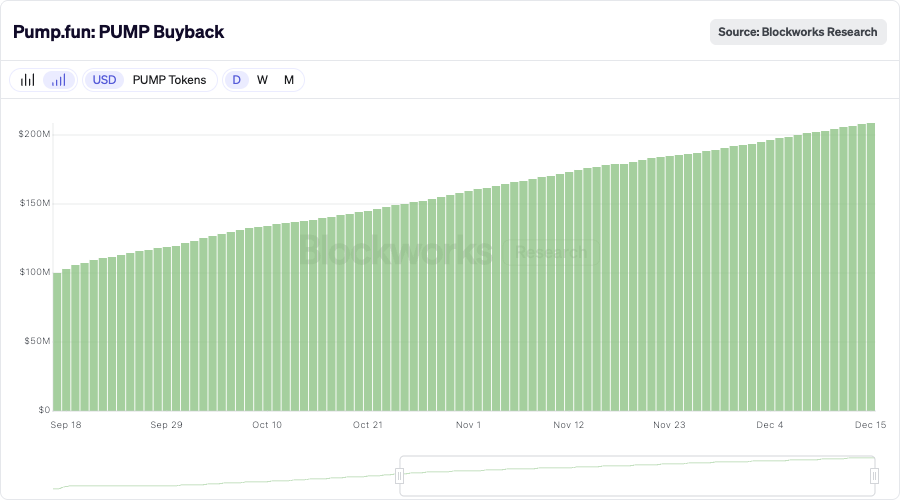
Buyback and burn mechanisms are tools that protocols use to manage supply after launch. They reduce the number of tokens in circulation either by buying tokens back from the market or permanently destroying them, which increases scarcity and can support long term value, by reducing the supply.
Burn
A burn mechanism permanently removes tokens from circulation, reducing total supply and increasing scarcity over time. Some projects burn tokens as part of regular protocol operations, while others burn a portion of revenue or transaction fees. A well known example is Binance’s BNB burn program which destroys tokens each quarter based on exchange revenue.
Buyback
A buyback is similar to stock buybacks in traditional finance where a company purchases its own shares to support price and signal confidence. In crypto, protocols sometimes buy back their tokens using revenue generated from fees or platform activity which increases demand and can stabilize the market. Pump.fun is a recent example. It uses revenue from its one percent trading fee and fees for creating new memecoins to buy back tokens from the market.
Good Tokenomics
There is no single blueprint for perfect tokenomics, but strong designs follow consistent principles that balance incentives, protect early markets and support long term sustainability.
- Clear and useful token utility
A strong token must have a defined purpose. Whether it is used for gas fees, staking, governance, access rights or collateral, holders should clearly understand why the token exists and what value it provides. - Clear vesting and cliff structures
VCs, investors and team members should have meaningful cliffs and multi year vesting schedules. This prevents large supply shocks and signals long term commitment from insiders instead of short term extraction. - Healthy distribution across stakeholders
Tokens should be allocated in a balanced way so no single group can dominate the market. When too many tokens sit with insiders, the risk of manipulation or aggressive sell pressure increases. - Community first approach
Investors help launch a project but the community determines whether it thrives. Good tokenomics give meaningful allocation to users, contributors and ecosystem incentives, not just insiders. - Strong incentives for stakers
Stakers should receive clear value for locking tokens such as governance rights, revenue participation or yield. Governance based staking is a strong model where stakers help guide the network’s future direction. - Effective burn or buyback mechanisms for uncapped supply
For tokens without a fixed max supply, mechanisms that reduce supply over time are essential. Ethereum and BNB use burn models to offset inflation, while platforms like Pump.fun use revenue funded buybacks to support demand. - Airdrops that reward real contributors
Airdrops work best when they reward actual users and contributors rather than random distribution. This strengthens loyalty and bootstraps early activity. - Sufficient circulating supply for fair price discovery
Competitive launches ensure enough circulating supply on day one, generally above ten percent, so markets can find a fair price and avoid artificial scarcity or extreme volatility.
Bad Tokenomics
- High FDV with a tiny circulating supply
The project launches at an inflated valuation while only a small percentage of tokens are liquid, which creates artificial pumps, extreme volatility and a guaranteed crash once unlocks begin. - Large insider discounts combined with short cliffs
VCs and early investors receive tokens at very low prices compared to TGE, then unlock early, which almost always leads to aggressive selling and weak market confidence. - Poor or nonexistent token utility
The token has no clear purpose, no meaningful use case and no reason to be held, which makes demand purely speculative and unsustainable. - Overconcentration of supply
Most tokens sit with the team or investors, which increases the risk of manipulation, coordinated selling or governance capture. - Emissions that exceed real adoption
The protocol releases more tokens than the ecosystem can absorb, which creates constant sell pressure and depresses price over time. - Airdrops used as hype rather than alignment
Random or oversized airdrops attract short term farmers instead of real users, leading to immediate selling with little lasting benefit. - No liquidity planning
The project launches without market makers or proper market depth, resulting in unstable trading and poor price discovery. - Unclear or unpredictable unlock schedules
Unlock terms are communicated poorly or changed unexpectedly, damaging trust and triggering panic selling. - Monetary policy with no counterbalance
Tokens with uncapped supply but no burn model or buyback system inflate over time as supply grows faster than usage.
Conclusion
Getting tokenomics right is an art.
The truth is that no tokenomics model is ever perfect, because ecosystems evolve and market conditions change. What matters is designing a system that is transparent, has clear utility, creates sustainable incentives and manages supply and demand responsibly.
Strong tokenomics align the interests of all stakeholders and give the project the foundation it needs to grow, adapt and succeed over time.
Disclaimer: The information provided in this article is for informational purposes only and does not constitute financial, investment, or other professional advice. All opinions expressed herein are solely those of the author and do not represent the views or opinions of any entity with which the author may be associated. Investing in financial markets involves risk, including the potential loss of principal. Readers should perform their own research and consult with a licensed financial advisor before making any investment decisions. Past performance is not indicative of future results.

Jakob Brezigar
Jakob, an experienced specialist in the field of cryptocurrency market making, boasts an extensive international presence. With Orcabay, he has skillfully managed major operations and deals for a wide array of global stakeholders.